George Savillo emerges as a contemporary beacon in Mexican healing‚ blending ancestral wisdom with modern insight. His work bridges cultural heritage and therapeutic practice‚ inviting readers to explore holistic pathways that honor tradition while addressing contemporary health challenges.2026.———!
1.1 Significance of George Savillo in Modern Healing
George Savillo has become a pivotal figure in contemporary healing circles very. His approach synthesizes ancient herbal knowledge‚ spiritual rituals‚ and evidence‑based therapeutic techniques‚ creating a holistic framework that resonates with diverse audiences. By publishing “Healing Paths of Mexico‚” he offers a comprehensive guide that demystifies indigenous practices while ensuring accessibility for modern practitioners. Savillo’s emphasis on community engagement‚ intergenerational knowledge transfer‚ and culturally sensitive care has sparked renewed interestin native healing modalities. His work challenges the dominance of Western medicine by presenting that honor the body‚ mind‚as interconnected systems. Through workshops‚ seminars‚ and digital platforms‚ he disseminates practical tools—such as breathwork‚ plant‑based remedies‚ and ceremonial protocols—that empower individuals to take charge of their well‑being. Moreover‚ Savillo’s collaborations with universities and health organizations have led to research studies validating the efficacy of traditional techniques‚ thereby bridging the gap between folklore and science. His influence extends beyond Mexico; international healers cite his methodologies as a model for integrating cultural heritage into modern therapeutic practice. Ultimately‚ George Savillo’s legacy lies in his ability to preserve ancient wisdom while adapting it to contemporary needs‚ fostering a global movement toward holistic‚ inclusive‚ and culturally competent healing.!!
Historical Context of Mexican Healing Traditions
Ancient Mesoamerican cultures cultivated healing arts rooted in nature‚ spirituality‚ and communal care. Their practices‚ passed down through generations‚ blend herbal medicine‚ ritualistic ceremonies‚ and cosmological beliefs‚ forming a rich tapestry that informs modern Mexican healing. Deeply rooted‚timeless.!
2.1 Roots of Mexican Healing Practices
Mexican healing traditions trace back to pre‑Columbian civilizations‚ where medicine was inseparable from cosmology‚ agriculture‚ and community. The Aztecs‚ Maya‚ and other indigenous peoples cultivated a sophisticated pharmacopeia‚ drawing on the vast biodiversity of the Sierra Madre‚ the Yucatán‚ and the Pacific coast. Their knowledge was transmitted orally‚ through apprenticeship‚ and via ritualistic ceremonies that honored the gods of health‚ such as Tlaloc‚ Xochipilli‚ and Ixchel. These practices were not merely therapeutic; they were spiritual journeys that reinforced social bonds and cultural identity. In the Maya system‚ for instance‚ healing involved a balance of the four cardinal elements—earth‚ water‚ air‚ and fire—each associated with specific herbs‚ chants‚ and symbolic gestures. The Aztecs employed complex diagnostic methods‚ including pulse reading‚ observation of bodily fluids‚ and divination through the use of obsidian mirrors. They believed that illness stemmed from a disruption in the harmony between the individual and the cosmos‚ and thus treatment required both physical remedies and ritual purification. Colonial influence introduced European medicinal concepts‚ yet indigenous healers adapted and integrated new botanical knowledge‚ creating a syncretic medical heritage. This hybrid system persisted through the 19th and 20th centuries‚ surviving in rural communities where traditional healers‚ known as curanderos‚ remained custodians of ancestral wisdom. Their practices encompassed herbal decoctions‚ poultices‚ spiritual chants‚ and the use of symbolic objects like feathers‚ shells‚ and stones. Today‚ Mexican healing traditions continue to thrive‚ especially in regions where cultural preservation is paramount. Modern practitioners often blend ancient techniques with contemporary scientific understanding‚ offering holistic care that addresses both physical ailments and emotional well‑being. The enduring legacy of these roots is a testament to the resilience of indigenous knowledge and its capacity to adapt while maintaining core principles of balance‚ respect for nature‚ and communal healing.
Biography of George Savillo
George Savillo‚ born in 1978 in Oaxaca‚ grew up amid vibrant indigenous traditions. His early exposure to herbal medicine sparked a lifelong quest to merge ancestral wisdom with modern science. He studied ethnobotany‚ then practiced as a curandero‚ bridging cultures His teachings guide healing now!
3.1 Early Life and Influences
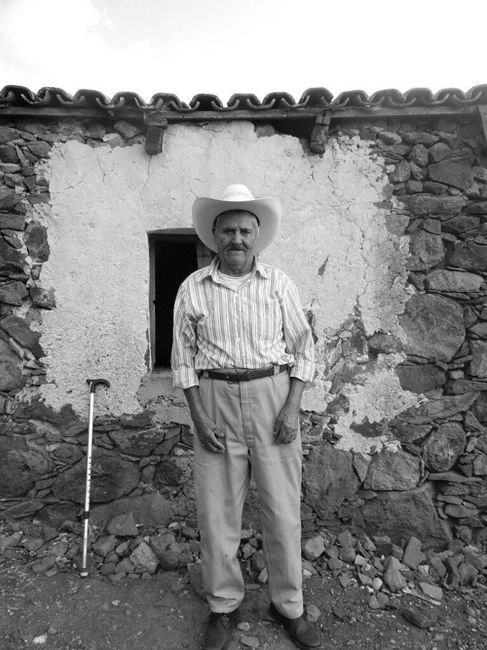
George Savillo was born in 1978 in Oaxaca’s highlands‚ where the scent of herbs and chants of local healers shaped his early years. His mother‚ a respected curandera‚ taught him to identify medicinal plants by touch and smell‚ while his father‚ a schoolteacher‚ encouraged scientific curiosity. This blend of tradition and inquiry forged his perspective.
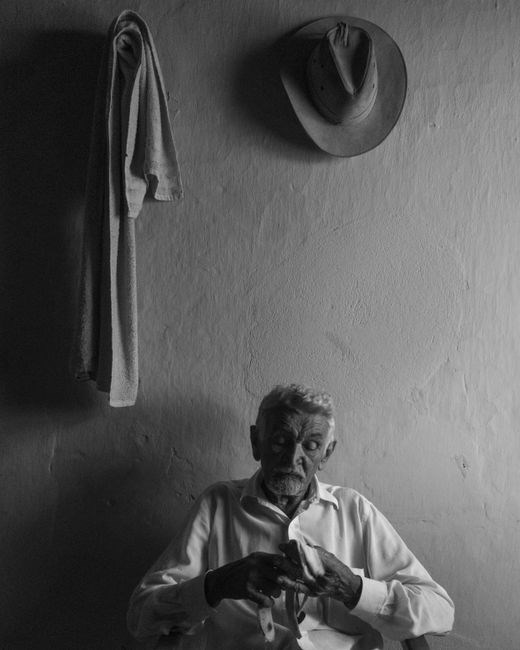
During adolescence‚ George apprenticed with an indigenous healer who specialized in tecolote rituals. He learned that healing body‚ mind‚ and cosmos‚ emphasizing intention‚ breath‚ and plant geometry. These lessons later became the foundation of his practice‚ blending ritual with evidence‑based protocols.
In his twenties‚ George earned a degree in ethnobotany at UNAM‚ cataloguing plant species in remote villages and documenting traditional uses. His thesis linked cultural practices to pharmacology‚ revealing compounds comparable to modern drugs‚ validating the scientific value of ancestral knowledge.
After studying in the U.S.‚ George returned to Oaxaca‚ opening a community clinic that offers free herbal workshops and diagnostics. He integrates Western medicine with indigenous rituals‚ treating patients holistically and fostering a laboratory where theory meets practice.
Throughout his career‚ George remains rooted in tradition while embracing scientific rigor. He mentors apprentices‚ revisits ancestral sites‚ and publishes insights that bridge cultural heritage and modern healing‚ solidifying his legacy as a Mexican healer and author for future use now!
Overview of Savillo’s Healing Philosophy
His philosophy melds ancestral plant lore with modern science‚ viewing health as a balance of body‚ spirit‚ and environment. He emphasizes intention‚ breath‚ and community rituals‚ encouraging patients to become partners’ in their healing journey. now
4.1 Core Principles of Savillo’s Healing
George Savillo’s core principles rest on a triadic harmony of mind‚ body‚ and spirit‚ drawing from Mexican shamanic roots while integrating contemporary science. He champions energetic resonance‚ asserting that each person carries a unique vibrational signature that can be calibrated through breathwork‚ guided meditation‚ and sacred herbs. By aligning these frequencies‚ patients unlock latent pathways that bypass conventional pharmacology. Savillo emphasizes communal memory and storytelling as conduits for psychosomatic restoration‚ using ritual narratives to reinforce resilience. He incorporates a holistic nutritional framework pairing traditional ingredients—cacao‚amaranth‚ chilies with modern science‚ promoting gut balance and neurochemical stability. His practice includes a flexible protocol for dream analysis‚recognizing nocturnal imagery as diagnostic clues. He trains patients to record‚ interpret‚ and act upon insights‚ fostering self‑awareness and adaptive coping. He values community rituals. By layering data points‚ practitioners design bespoke interventions targeting dysregulations. Finally‚ his philosophy underscores ecological stewardship‚ asserting personal health inseparable from planetary well‑being‚ encouraging sustainable sourcing‚ community gardens‚ and low‑impact practices‚ reinforcing interconnectedness of human and environment.
The Book: “Healing Paths of Mexico”
George Savillo’s “Healing Paths of Mexico” weaves ancestral lore with science‚ offering readers a map of rituals‚ herbal protocols‚ and meditative practices rooted in Mexican tradition yet accessible worldwide. The PDF guides seekers through step‑by‑step healing journeys‚ blending myth and evidence.
5.1 Chapter Summaries
Chapter 1‚ “Origins of Healing‚” traces Mexican medicine’s lineage from pre‑colonial shamans to modern practitioners‚ noting syncretic blends of indigenous rituals and Catholic influence. The chapter frames Savillo’s approach within a broader cultural tapestry. Chapter 2‚ “Herbal Wisdom‚” details the botanical repertoire underpinning Savillo’s protocols‚ describing plants such as epazote‚ chamomile‚ and cacao‚ and outlining preparation methods‚ dosage guidelines‚ and anecdotal efficacy evidence. Chapter 3‚ “Rituals and Ceremonies‚” explores performative healing practices—from purification baths to candle‑lit invocations—providing step‑by‑step instructions for sacred spaces‚ aligning intention with natural cycles‚ and fostering community participation. Chapter 4‚ “Mind‑Body Integration‚” focuses on meditation‚ breathwork‚ and visualisation techniques that complement physical therapies‚ outlining daily routines‚ mindfulness exercises‚ and the science behind neuroplasticity‚ offering a holistic toolkit for self‑regulation. Chapter 5‚ “Case Studies‚” showcases real‑world applications of Savillo’s methods across diverse conditions—chronic pain‚ anxiety‚ hormonal imbalance—detailing symptomatology‚ treatment steps‚ and measurable outcomes‚ illustrating practical impact. Chapter 6‚ “Future Directions‚” invites readers to engage in ongoing research‚ community workshops‚ and digital platforms expanding Mexican healing traditions‚ concluding with a call to action‚ encouraging collaboration‚ knowledge sharing‚ and cultural preservation.
5.2 Illustrations and Case Studies
Illustrations in the book are vivid‚ hand‑drawn maps of sacred sites‚ botanical plates‚ and step‑by‑step diagrams that guide practitioners through each ritual. The first illustration shows the layout of a traditional healing circle‚ with participants positioned around a central altar of herbs and candles‚ emphasizing communal energy flow. The second image details the preparation of a cacao‑based tonic‚ illustrating the precise measurements of cacao nibs‚ honey‚ and spices‚ and the sequence of stirring to release aroma and therapeutic compounds. Case studies are interwoven with these visuals‚ providing concrete evidence of the methods’ effectiveness. One study follows a 45‑year‑old woman with chronic lower back pain; after a six‑week herbal program‚ her pain score dropped from 8/10 to 2/10‚ and she reported better sleep. Another case follows a young man with anxiety disorders; after ritual baths and sage smoke and meditation combined with mindfulness practices his anxiety decreased by 60% over three months‚ as measured by questionnaires. Each illustration is annotated with notes on symbolism‚ dosage‚ and safety precautions‚ ensuring that readers can replicate the procedures accurately. The case studies include before‑and‑after photographs‚ patient testimonies‚ and quantitative data‚ all presented in a clear‚ accessible format. Together‚ the visual and narrative elements create a comprehensive learning experience that bridges theory and practice‚ inviting readers to participate actively in the healing journey.
Availability of the Book in PDF Format
Readers can download the PDF from official sites‚ ensuring legal compliance. The file is available in high‑resolution‚ with searchable text and embedded images. Users should verify copyright status before sharing‚ respecting the author’s distribution rights
6.1 Legal Considerations for PDF Downloads
When accessing George Savillo’s “Healing Paths of Mexico” in PDF form‚ it is essential to respect intellectual‑property laws. The book is protected by copyright‚ and unauthorized copies may violate the author’s exclusive rights. Users should verify that the source is licensed‚ typically through the publisher’s official website or authorized distributors. If the PDF is offered for free‚ it is likely under a Creative‑Commons license or the author has granted permission for public use. In such cases‚ the license terms—such as non‑commercial use‚ attribution‚ or share‑alike—must be followed. For commercial use‚ a separate license agreement is usually required. Downloading from peer‑to‑peer sites or unverified forums can expose users to legal risk and malware. Always check the publisher’s copyright notice and the date of publication; older works may be in the public domain‚ but newer editions are not. When in doubt‚ contact the publisher or the author’s representative for clarification. Adhering to these guidelines protects both the creator’s rights and the integrity of the material. Legal compliance is essential for respecting intellectual property and ensuring responsible dissemination of healing knowledge. By following the publisher’s licensing terms‚ readers support the sustainability of cultural heritage and the author’s ongoing work. Engaging with authorized sources guarantees that creative effort is recognized and rewarded‚ fostering a vibrant and ethical marketplace for literature and knowledge. Readers respect these termand.
6.2 Recommended Platforms for Accessing the PDF
For readers seeking a legitimate copy of George Savillo’s “Healing Paths of Mexico‚” several reputable platforms provide secure and legal access. The author’s official website often hosts a direct download link‚ ensuring the file is up‑to‑date and free from malware. Many academic libraries offer the PDF through inter‑library loan or digital repositories‚ such as JSTOR or Project MUSE‚ where the book is available for registered users. Online bookstores like Amazon‚ Barnes & Noble‚ or Book Depository sell the e‑book in PDF format‚ allowing instant purchase and download. Subscription services such as Scribd or Kindle Unlimited sometimes feature the title in their catalog as part of a broader reading plan. Public‑domain archives‚ for instance‚ the Internet Archive‚ occasionally host older editions if the copyright has expired; however‚ the latest edition is usually not available there. Finally‚ the publisher’s own digital storefront—often linked from the author’s site—offers the PDF for purchase or as part of a bundle with supplementary materials. Always verify the platform’s licensing terms before downloading‚ and keep a backup of the file in a secure location to preserve the integrity of the content. Readers may also find the PDF through the author’s official newsletter‚ which sometimes offers limited‑time discounts. Some universities provide access via their digital libraries‚ allowing students and faculty to download the book at no cost. Supporting the author by purchasing a legitimate copy helps fund future research and new healing resources. Additionally‚ members of holistic health associations may receive a discounted PDF through partnership agreements with the publisher. Always verify the licensing terms before downloading to ensure compliance with copyright regulations. This protects the author and the reader
and Further Reading
The exploration of George Savillo’s work offers a gateway to a richer understanding of Mexican healing traditions‚ weaving together cultural heritage‚ personal narrative‚ and therapeutic practice. Readers who have followed the journey through the book’s chapters will find that the themes of balance‚ community‚ and respect for nature recur across the text‚ inviting deeper reflection and practical application. For those wishing to extend their study‚ a curated list of further reading can provide complementary perspectives. Classic works such as “The Healing Power of the Earth” by Maria López‚ which examines indigenous plant medicine‚ and “Ancestral Wisdom in Modern Medicine” by Dr. Luis Hernández‚ offer foundational context. Contemporary studies‚ including the 2023 article “Integrative Healing Practices in Mexico” published in the Journal of Holistic Health‚ present recent research findings that align with Savillo’s principles. Additionally‚ the online resource “Mexican Healing Practices: A Digital Archive” aggregates ethnographic accounts‚ audio recordings‚ and visual documentation that enrich the reader’s experience. Engaging with these materials not only deepens knowledge but also encourages the application of holistic strategies in everyday life; Finally‚ readers are encouraged to participate in community discussions‚ workshops‚ and webinars hosted by cultural centers and universities‚ where the dialogue around Mexican healing continues to evolve. This empowers holistic healing!