
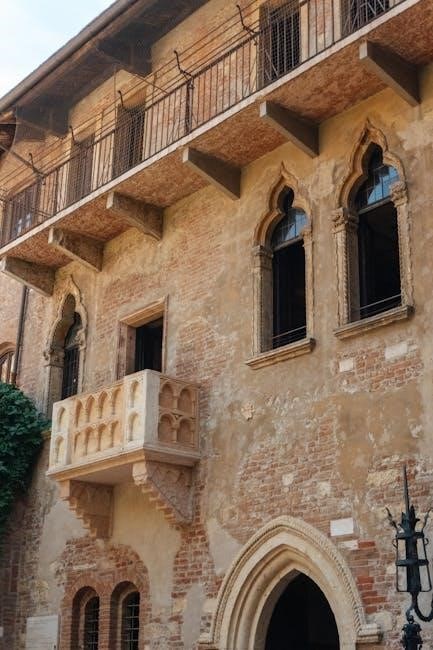
The Rough Guide to Shakespeare is a comprehensive resource, lauded by critics as trustworthy and user-friendly.
It expertly covers the plays, poems, and life of the Bard, alongside insightful reviews of various adaptations.
What is The Rough Guide to Shakespeare?
The Rough Guide to Shakespeare, penned by Andrew Dickson, is a meticulously researched and highly accessible guide to understanding William Shakespeare’s complete works. It’s not merely a collection of plot summaries; rather, it’s a deep dive into the historical context, key themes, and enduring legacy of the playwright.
The book distinguishes itself by including detailed synopses of each play, character guides, and a comprehensive overview of stage history and adaptations – encompassing film, theatre, and recordings.
Critics praise its “handy, companionable and trustworthy” nature, making it an ideal resource for students, theatregoers, and Shakespeare enthusiasts alike.
Target Audience and Scope
The Rough Guide to Shakespeare caters to a broad audience, from seasoned Shakespeare buffs seeking deeper insights to newcomers wanting a reliable introduction. It’s particularly valuable for students navigating the complexities of the plays and sonnets.
The scope is remarkably comprehensive, encompassing not only the 37 plays and 154 sonnets but also exploring their historical context, critical reception, and modern adaptations.
The guide’s coverage extends to reviews of productions, CDs, and movies, offering a holistic view of Shakespeare’s continuing influence.
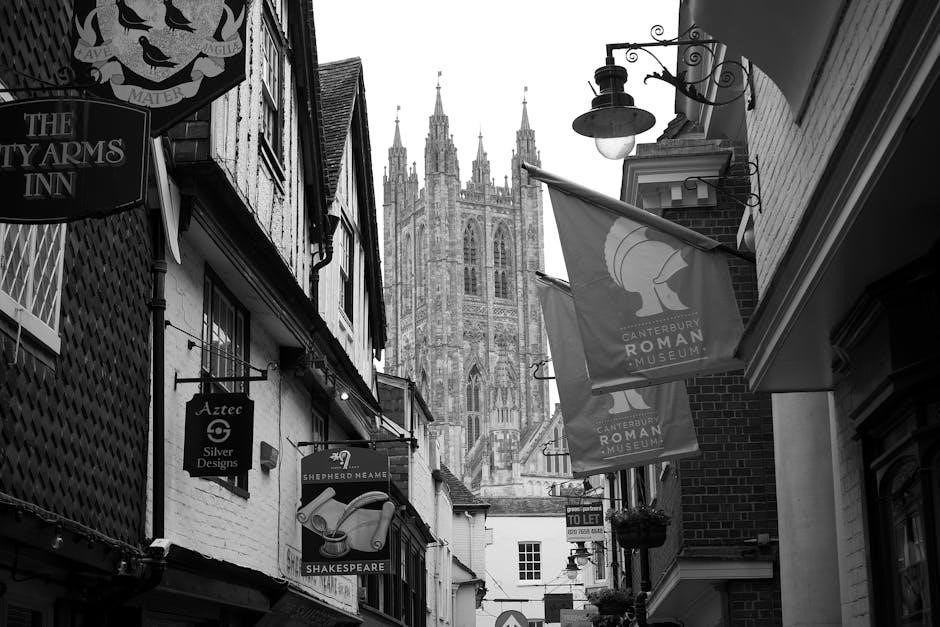
Shakespeare’s Life and Times
The Rough Guide delves into Shakespeare’s era, providing context for his works. It explores his formative years and the vibrant London theatre scene.
Early Life and Family
The Rough Guide to Shakespeare, while not exhaustively detailing his early life, acknowledges the foundational importance of his family and upbringing. It implicitly sets the stage for understanding the influences that shaped the playwright. Though specific biographical details remain somewhat elusive, the guide provides a contextual backdrop for Shakespeare’s origins in Stratford-upon-Avon.
It suggests a consideration of his parent’s social standing and the environment in which he was raised, hinting at how these factors may have contributed to his later artistic development. The book doesn’t dwell extensively on this period, but recognizes its significance.
Education and Influences
The Rough Guide to Shakespeare acknowledges the scholarly debate surrounding the specifics of his formal education. While details are scarce, it suggests Shakespeare likely received a solid grounding in Latin grammar and classical literature at the King’s New School in Stratford-upon-Avon.
The guide implies that exposure to Roman playwrights like Seneca and Plautus, alongside contemporary English works, profoundly influenced his dramatic style. It subtly points to the impact of the vibrant theatrical scene in London as a key formative influence during his ascent as a playwright.
London and the Theatre World
The Rough Guide to Shakespeare vividly portrays Elizabethan and Jacobean London as a bustling hub of theatrical innovation. It highlights the crucial role of acting companies, like the Lord Chamberlain’s Men (later the King’s Men), in Shakespeare’s career.
The guide emphasizes the significance of playhouses – particularly The Globe – as spaces for performance and social gathering. It subtly suggests Shakespeare’s success was intertwined with navigating the complex patronage system and appealing to diverse audiences within this dynamic theatrical landscape.

A Deep Dive into Shakespeare’s Plays
The Rough Guide to Shakespeare expertly categorizes his works into tragedies, comedies, and histories, offering synopses and character guides for each play.
Categorizing the Plays: Tragedies
The Rough Guide to Shakespeare meticulously examines the tragic plays, delving into their core elements of suffering, loss, and inevitable downfall.
It provides insightful interpretations of iconic tragedies like Hamlet, Macbeth, and Othello, exploring the complex motivations and flaws of their central characters.
The guide doesn’t merely present plot summaries; it offers a deeper understanding of the thematic resonance and enduring power of these emotionally charged works, making it a valuable resource for students and enthusiasts alike.
Categorizing the Plays: Comedies
The Rough Guide to Shakespeare skillfully navigates the world of his comedies, highlighting their wit, romance, and often, satirical edge.
It unpacks the playful deceptions, mistaken identities, and ultimately, harmonious resolutions found in plays like A Midsummer Night’s Dream and Twelfth Night.
The guide explores how Shakespeare uses humor not only for entertainment but also to comment on societal norms and human foibles, offering a nuanced appreciation of these delightful works.
Categorizing the Plays: Histories
The Rough Guide to Shakespeare meticulously examines his history plays, charting the reigns and rivalries of English monarchs.
It delves into the political intrigue, battles, and power struggles depicted in works like Richard III and Henry V, offering context to the historical events and figures portrayed.
The guide illuminates how Shakespeare used history not merely to recount the past, but to explore themes of leadership, ambition, and the nature of power itself.
Key Themes Across the Plays
The Rough Guide to Shakespeare expertly identifies recurring themes woven throughout his dramatic works.
Love, loss, ambition, revenge, and the corrupting influence of power are consistently explored, often intertwined and presented with nuanced complexity.
The guide highlights Shakespeare’s fascination with appearance versus reality, order versus chaos, and the human condition, demonstrating his enduring relevance.
It reveals how these themes resonate across genres, connecting tragedies, comedies, and histories in profound ways.

Exploring Shakespeare’s Poetry: The Sonnets
The Rough Guide provides extensive information about Shakespeare’s sonnets, including their structure, common themes, and the mysteries surrounding the Dark Lady and Fair Youth.
Structure and Form of the Sonnets
The Rough Guide to Shakespeare meticulously details the sonnets’ traditional structure – fourteen lines written in iambic pentameter. It explains the rhyme scheme, typically ABAB CDCD EFEF GG, culminating in a concluding couplet.
The guide illuminates how Shakespeare masterfully utilizes this form to explore complex emotions and ideas. It delves into the conventions of the English, or Shakespearean, sonnet, highlighting how he both adheres to and subtly bends the rules.
Readers gain a deeper appreciation for the artistry inherent in these poetic masterpieces through this detailed analysis.
Common Themes in the Sonnets: Love and Beauty
The Rough Guide to Shakespeare expertly explores the pervasive themes of love and beauty within the sonnets. It reveals how Shakespeare contemplates idealised beauty, often linked to the “Fair Youth,” and contrasts it with the more sensual and complex attraction to the “Dark Lady.”
The guide elucidates the exploration of love’s transformative power, its fleeting nature, and the pain of unrequited affection. It demonstrates how these themes are interwoven with meditations on time, mortality, and the enduring power of art.
The Dark Lady and the Fair Youth
The Rough Guide to Shakespeare delves into the mysteries surrounding the “Dark Lady” and “Fair Youth” – figures central to many of the sonnets. The guide explains how the Fair Youth embodies idealized beauty and aristocratic status, inspiring sonnets of admiration and longing.
Conversely, the Dark Lady represents a more passionate, unconventional, and potentially dangerous attraction. The book explores the complex dynamic between these figures, and how Shakespeare uses them to examine themes of desire, betrayal, and the complexities of love.
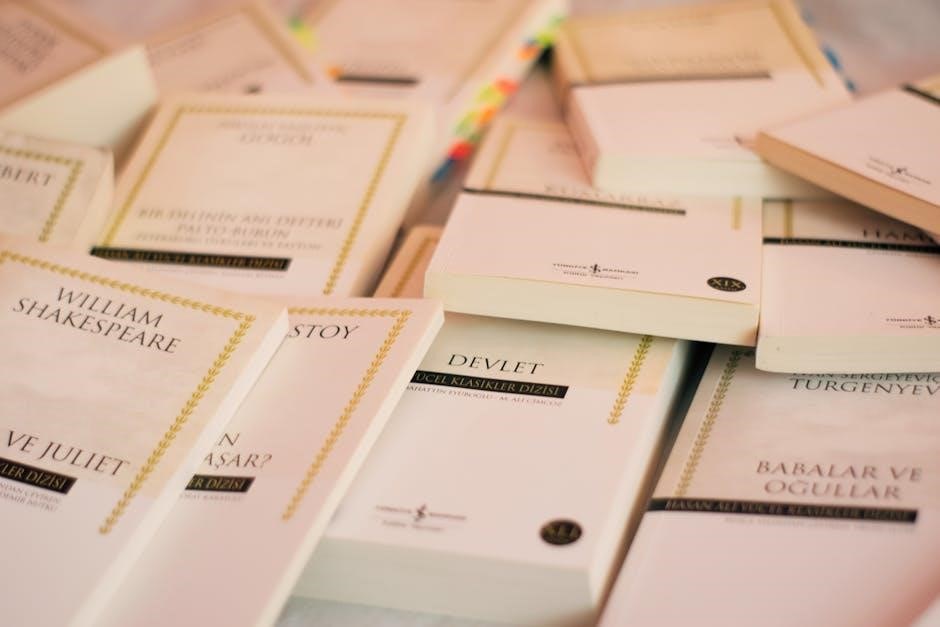
Stage History and Adaptations
The Rough Guide to Shakespeare meticulously details the evolution of Shakespearean productions, from the original Globe to modern film and theatre adaptations.
Shakespeare’s Globe: Original and Reconstruction
The Rough Guide to Shakespeare explores the fascinating history of the Globe Theatre, initially built in 1599 and destroyed by fire in 1613. It delves into the details of its original construction and the vibrant theatrical experiences it hosted during Shakespeare’s time.
Furthermore, the guide examines the ambitious reconstruction project completed in 1997, aiming to recreate the original Globe’s atmosphere and architectural features.
This section likely details how the reconstruction informs our understanding of Shakespeare’s plays and performance practices, offering a tangible link to the past.
Notable Productions Throughout History
The Rough Guide to Shakespeare likely chronicles significant theatrical interpretations of his works across centuries. It probably highlights landmark productions that redefined how audiences perceived iconic plays and characters.
Expect details on influential performances, directorial choices, and actors who left an indelible mark on Shakespearean stage history.
The guide’s coverage extends beyond traditional stagings, potentially including innovative and controversial adaptations that sparked debate and reshaped the theatrical landscape.
Modern Adaptations: Film, Theatre, and Beyond
The Rough Guide to Shakespeare undoubtedly explores the Bard’s enduring influence on contemporary art forms. Expect detailed reviews of film adaptations, ranging from classic interpretations to bold, modern reimaginings.
The guide likely analyzes theatrical productions that experiment with staging, gender roles, and historical context.
Beyond film and theatre, it may also cover adaptations in music, dance, and other media, showcasing Shakespeare’s versatility and timeless appeal to diverse audiences.

Characters in Shakespeare
The Rough Guide to Shakespeare delves into iconic figures like Hamlet and Macbeth, alongside comedic stars such as Falstaff and Puck.
It also highlights strong female characters like Lady Macbeth and Rosalind.
Iconic Tragic Heroes: Hamlet, Macbeth, Othello
The Rough Guide to Shakespeare meticulously examines the complexities of his most renowned tragic heroes. It provides insightful character guides for Hamlet, the contemplative Prince of Denmark, grappling with revenge and mortality.
Macbeth, driven by ambition and haunted by guilt, receives similar detailed attention.
Othello, the noble Moor undone by jealousy and manipulation, is also thoroughly explored.
The guide illuminates their motivations, flaws, and the circumstances leading to their downfalls, offering a deeper understanding of these enduring figures.
Memorable Comedic Characters: Falstaff, Puck
The Rough Guide to Shakespeare doesn’t overlook the brilliance of his comedic creations. It delves into the larger-than-life character of Sir John Falstaff, a witty and mischievous figure appearing in multiple plays, celebrated for his boisterous personality and comedic timing.
Puck, from A Midsummer Night’s Dream, also receives focused analysis.
The guide explores their roles in generating humor, driving the plot, and providing social commentary.
It offers character synopses, aiding readers in appreciating their enduring appeal and comedic impact.
Strong Female Characters: Lady Macbeth, Rosalind
The Rough Guide to Shakespeare acknowledges the complexity and power of his female characters. It provides detailed examinations of Lady Macbeth, a ruthlessly ambitious figure whose influence drives the tragedy of Macbeth, exploring her motivations and descent into guilt.
Rosalind, from As You Like It, is also highlighted.
The guide analyzes her wit, intelligence, and agency within a patriarchal society.
Character guides offer insights into their significance and enduring impact on Shakespearean scholarship and performance.
Understanding Shakespearean Language
The Rough Guide to Shakespeare expertly deciphers Elizabethan English, covering vocabulary, grammar, and the interplay of verse and prose within the plays.
Elizabethan English: Vocabulary and Grammar
The Rough Guide to Shakespeare acknowledges the challenges posed by Elizabethan English for modern readers. It delves into the significant differences in vocabulary, where words held varied meanings or have become obsolete over time.
Furthermore, the guide illuminates the grammatical structures prevalent during Shakespeare’s era – including variations in word order, pronoun usage, and verb conjugations – that differ substantially from contemporary English.
Understanding these nuances is crucial for accurately interpreting the plays and appreciating Shakespeare’s linguistic artistry, and this guide provides the necessary tools for doing so.
Verse and Prose in Shakespeare’s Plays
The Rough Guide to Shakespeare expertly explains Shakespeare’s deliberate use of both verse and prose within his plays. Typically, characters of higher social standing, or those expressing intense emotion, speak in verse – often blank verse, or unrhymed iambic pentameter – lending a sense of formality and importance.
Conversely, prose is frequently employed by lower-class characters or during more casual, comedic scenes, creating a contrast in tone and reflecting social hierarchies.
The guide clarifies how recognizing this distinction enhances understanding of character and dramatic intent.
Resources for Deciphering Shakespearean Text
The Rough Guide to Shakespeare acknowledges the challenges of Elizabethan English and provides valuable resources for modern readers. It doesn’t leave you stranded with archaic language! The guide implicitly suggests utilizing annotated editions, glossaries, and online resources to unpack unfamiliar vocabulary and grammatical structures.
Understanding the context of the language – its idioms and common phrases – is key, and the book facilitates this.
It empowers readers to confidently navigate the complexities of Shakespeare’s writing.

Reviews and Critical Reception
The Rough Guide to Shakespeare receives high praise, being described as “handy, companionable and trustworthy,” and “well-honed, stylish, and enjoyable” by experts.
Critical Praise for The Rough Guide
The Rough Guide to Shakespeare has garnered significant acclaim from literary critics and Shakespearean scholars alike. Library Journal hails it as a “handy, companionable and trustworthy” guide, further emphasizing its “awesomely assured” approach to the subject.
Boyd Tonkin of The Independent echoes this sentiment, while Professor Stanley Wells, Chairman of the Shakespeare Birthplace Trust, deems it “well-honed, stylish and thoroughly enjoyable.”
Anthony Holden, author of a Shakespeare biography, enthusiastically states that one “couldn’t wish for a more user-friendly, reliable guidebook,” offering his “Bardic cap” in appreciation.
Common Criticisms and Limitations
Despite widespread praise, some readers question the “Rough Guide” branding, finding the content surprisingly detailed and sophisticated – perhaps not aligning with the series’ typically more basic approach. A few note that while comprehensive, the depth of analysis for each play might not satisfy seasoned Shakespeare scholars seeking intensely academic discourse.
However, these are minor points; the book’s strength lies in its accessibility and broad coverage, successfully catering to a wide audience from newcomers to dedicated enthusiasts.

Resources for Further Exploration
Explore recommended books, websites, and Shakespearean festivals to deepen your understanding. Museums and historical sites offer immersive experiences, enriching your appreciation.
Recommended Books and Websites
For expanded study, consider Anthony Holden’s “William Shakespeare: His Life and Work,” offering a detailed biographical perspective. The Shakespeare Birthplace Trust’s website (shakespeare.org.uk) provides invaluable resources, including scholarly articles and digitized collections.
Additionally, explore the Folger Shakespeare Library’s digital texts and essays (folger.edu). Websites dedicated to stage history, like those documenting Globe Theatre productions, enhance understanding.
Further research can benefit from academic databases and online journals specializing in Elizabethan literature, providing critical analyses and contextual insights.
Shakespearean Festivals and Events
Globally, numerous festivals celebrate Shakespeare’s enduring legacy. The Stratford Festival in Canada and the Oregon Shakespeare Festival in the US are renowned for their high-quality productions and diverse programming.
The Shakespeare’s Globe in London hosts regular performances and educational events, offering an immersive experience. Local theatre companies frequently stage Shakespearean plays, providing accessible opportunities to engage with the works.
Keep an eye out for university-led Shakespeare conferences and workshops, fostering scholarly discussion and performance practice.
Museums and Historical Sites
Central to understanding Shakespeare is visiting sites connected to his life and work. Shakespeare’s Birthplace in Stratford-upon-Avon offers a glimpse into his early years, alongside New Place, his final home.
The Shakespeare Centre houses an extensive collection of manuscripts and artifacts. London’s Globe Theatre, a reconstruction of the original, provides an authentic theatrical experience.
Further exploration can be found at the British Library, holding numerous Shakespearean texts, and various local museums displaying Elizabethan-era artifacts.

The Rough Guide’s Unique Features
This guide distinguishes itself with detailed play synopses, character guides, and extensive coverage of stage history and adaptations, including film reviews.
Play Synopses and Character Guides
A standout feature of The Rough Guide to Shakespeare is its meticulously crafted synopses for each play. These aren’t merely plot summaries; they offer insightful context, highlighting key themes and dramatic tensions.
Complementing these are detailed character guides, providing not just names and relationships, but also analyses of motivations and significance within the narrative. Readers, even those unfamiliar with Shakespeare, will quickly grasp the complexities of each drama and the nuances of its characters. This makes the guide exceptionally valuable for students and theatregoers alike.
Stage History and Adaptations Coverage
A particularly appreciated aspect of The Rough Guide to Shakespeare is its extensive coverage of stage history and adaptations. The book doesn’t treat the plays as static texts, but as living works constantly reinterpreted through performance.
It delves into notable productions throughout history, alongside modern adaptations in film and theatre. This section provides a rich understanding of how Shakespeare’s work has resonated across centuries and cultures, offering a broader perspective beyond the original texts themselves. It’s a feature highly valued by enthusiasts.
Reviews of Productions, CDs, and Movies
The Rough Guide to Shakespeare distinguishes itself by including reviews of productions, CDs, and movies related to Shakespeare’s works. This feature moves beyond textual analysis, acknowledging the diverse ways Shakespeare is experienced and interpreted.
These reviews offer valuable insights for those seeking recommendations or wanting to understand different artistic approaches to the plays. It’s a unique element, providing a contemporary lens through which to appreciate the enduring legacy of Shakespeare, making it a truly comprehensive guide.
Comparing to Other Shakespeare Guides
This Rough Guide stands out with its detailed stage history and adaptation coverage, offering a unique value proposition compared to standard Shakespeare companions.
Strengths and Weaknesses Compared to Alternatives
Compared to other Shakespeare guides, Andrew Dickson’s work excels in its breadth, seamlessly integrating play synopses, character analyses, and a robust exploration of stage adaptations – a feature often lacking elsewhere. Critics praise its “user-friendly” nature and “trustworthy” information.
However, some may find the level of interpretation already provided limits independent analysis. While comprehensive, it might not suit scholars seeking purely academic resources. Its strength lies in accessibility, making it ideal for enthusiasts and students alike, offering a well-rounded introduction to Shakespeare’s world.
Value for Money
Considering its scope, The Rough Guide to Shakespeare represents excellent value. It consolidates biographical information, play summaries, sonnet analyses, and adaptation reviews into a single volume, eliminating the need for multiple purchases.
The availability of used copies in near-new condition further enhances its affordability. While specialized academic texts may offer deeper dives into specific areas, this guide’s comprehensive nature and accessible style provide a substantial return on investment for students, theatre-goers, and Shakespeare enthusiasts.

The Author: Andrew Dickson
Andrew Dickson is a seasoned contributor to the Rough Guides series, including the Rough Guide History of England.
He brings expertise and a well-honed style to this Shakespeare guide.
Background and Expertise
Andrew Dickson demonstrates a clear passion for, and deep understanding of, Shakespearean literature and its enduring legacy. He isn’t simply a compiler of facts, but a knowledgeable guide capable of presenting complex information in an accessible manner.
His contributions extend beyond this specific Rough Guide; he has previously worked on the Rough Guide History of England, showcasing a broader historical context that informs his Shakespearean analysis. This background allows him to place the plays and poems within their Elizabethan and Jacobean settings, enriching the reader’s understanding.
Dickson’s expertise is consistently praised by literary figures, solidifying his position as a reliable and insightful author in the field of Shakespearean studies.
Other Contributions to the Rough Guides Series
Andrew Dickson’s involvement with the Rough Guides series isn’t limited to his acclaimed work on Shakespeare. He has demonstrably broadened his expertise by contributing to other titles within the series, notably the Rough Guide History of England.
This prior work highlights his ability to synthesize complex historical and cultural information into a readily digestible format – a skill clearly evident in The Rough Guide to Shakespeare.
His experience across different Rough Guide publications suggests a consistent commitment to providing well-researched, engaging, and accessible travel and informational resources.