
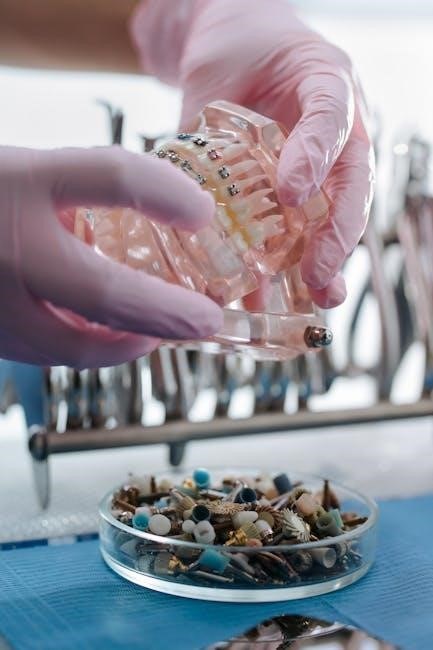
Anatomy and Physiology Lab Practical 1: Overview
This practical assesses anatomy and physiology knowledge, utilizing a pre-final exam format with 40 multiple-choice questions.
Review sheets and lecture exams, including a 50-question assessment, will aid preparation.
Course Logistics & Assessment
Course structure blends lecture, lab, and practice, demanding significant individual work alongside in-class sessions. Assessment is multifaceted, encompassing interim evaluations and a comprehensive final exam. The total credit hours reflect a substantial workload, broken down into specific time allocations for each component.
Expect a rigorous evaluation of your understanding, mirroring the format of a pre-final exam – specifically, a multiple-choice question style. Resources like review sheets, designed to reinforce key concepts, are crucial for success. Furthermore, a 50-question lecture exam serves as a benchmark for gauging your grasp of the material.
Preparation should involve diligent study of anatomical structures and physiological processes, as evidenced by the focus on detailed questioning within the provided materials. Success hinges on a commitment to both theoretical knowledge and practical application.
Workload & Credit Hours
This course demands a considerable time commitment, structured around a blend of in-class instruction, dedicated laboratory sessions, and extensive individual study. Total credit hours are reflective of this intensive workload, necessitating effective time management. A detailed breakdown reveals specific hour allocations for lecture components, hands-on laboratory practice, and independent learning activities.
Students should anticipate significant individual work beyond scheduled class time, crucial for mastering the complexities of anatomy and physiology. The assessment strategy, including pre-final exams with 40 multiple-choice questions and 50-question lecture exams, underscores the need for thorough preparation.
Success requires consistent engagement with course materials, utilizing review sheets and potentially supplemental resources to solidify understanding. The course’s structure is designed to foster both theoretical knowledge and practical application, demanding a substantial investment of effort.
Exam Format: Multiple Choice Questions
The primary assessment method for this lab practical is the multiple-choice question (MCQ) format. Expect a rigorous evaluation of your understanding of anatomical structures, physiological processes, and their interrelationships. Pre-final exams consist of 40 MCQs, while lecture exams encompass 50 questions, demanding comprehensive preparation.
These questions are designed to test not only factual recall but also your ability to apply knowledge to novel scenarios and interpret complex information. Review sheets and dedicated study time are essential for success. The MCQs will cover material presented in lectures, laboratory exercises, and assigned readings.
Familiarize yourself with the style and difficulty level of questions through practice materials. A strong grasp of key concepts and terminology is crucial. The MCQ format allows for broad coverage of the course content, ensuring a thorough assessment of your anatomical and physiological proficiency.
Key Body Systems Covered
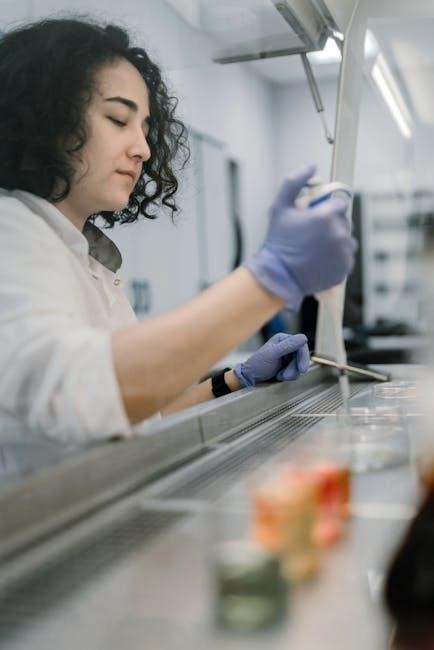
This lab practical emphasizes circulatory, endocrine, and lymphatic systems. The reproductive system receives minimal focus regarding homeostasis, while anatomy and physiology are key.
Circulatory System Focus
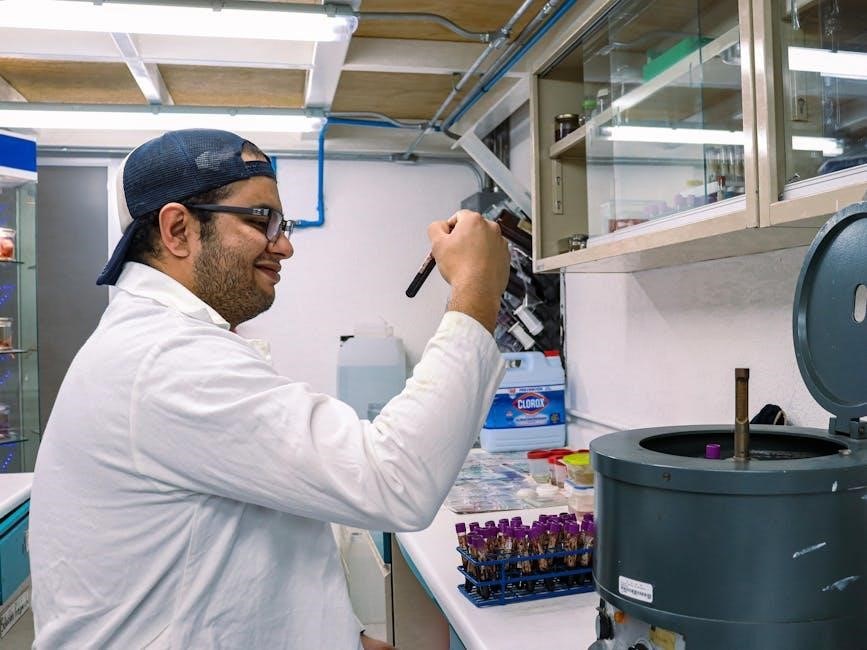
The circulatory system’s assessment will heavily involve blood test analysis, requiring students to describe expected changes in a patient’s results. Understanding the components of blood and their functions is crucial. Expect questions relating to blood composition, including erythrocytes, leukocytes, and platelets, and their roles in oxygen transport, immunity, and clotting.
Furthermore, the practical will test knowledge of the heart’s anatomy – chambers, valves, and major vessels – and physiological processes like cardiac output and blood pressure regulation. Students should be prepared to identify these structures on diagrams and explain their functions. The relationship between structure and function within the circulatory system will be a recurring theme.
Clinical scenarios involving circulatory dysfunction will be presented, demanding application of learned concepts. This includes interpreting data and predicting the consequences of various cardiovascular conditions. A solid grasp of the circulatory system’s role in maintaining homeostasis is essential for success.
Endocrine System Focus
The endocrine system component of the lab practical will emphasize hormonal regulation and gland identification. Students must demonstrate understanding of major endocrine glands – pituitary, thyroid, adrenal, pancreas, and gonads – and the hormones they secrete. Expect questions regarding hormone mechanisms of action, including receptor binding and cellular effects.
A key aspect will be understanding feedback loops, both positive and negative, and how they maintain hormonal balance. The practical will likely include scenarios requiring students to predict the consequences of hormonal imbalances or disruptions. Knowledge of hormone synthesis pathways and target tissues is also vital.
Furthermore, the practical will assess the endocrine system’s interconnectedness with other body systems, particularly its role in homeostasis. Students should be prepared to explain how endocrine signals influence physiological processes like metabolism, growth, and reproduction. Clinical case studies may be presented to test application of these concepts.
Lymphatic System Focus
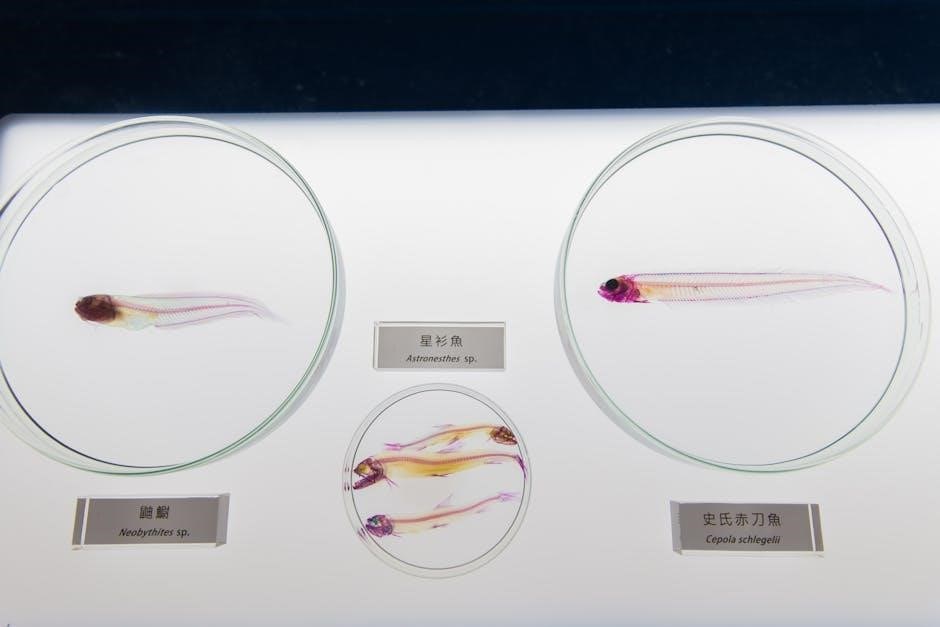
The lymphatic system section of the practical will heavily emphasize its role in immunity and fluid balance. Students will need to identify key lymphatic organs – lymph nodes, spleen, thymus, and tonsils – and describe their respective functions in immune responses. Expect questions concerning lymphocyte development, activation, and differentiation (B cells, T cells, and NK cells).
Understanding lymphatic circulation and the process of lymph formation will be crucial. The practical will likely assess knowledge of how the lymphatic system contributes to edema prevention and the absorption of dietary fats. Students should be able to trace the path of lymph fluid through the body.
Furthermore, the practical will explore the connection between the lymphatic system and the circulatory system. Clinical scenarios involving lymphatic disorders, such as lymphedema, may be presented to evaluate practical application of learned concepts. Knowledge of antigen presentation and antibody-mediated immunity is also essential.
Reproductive System Focus – Least Involved in Homeostasis
While essential for species survival, the reproductive system demonstrates the least direct involvement in daily homeostasis maintenance compared to other systems. The lab practical will assess understanding of the male and female reproductive anatomies, including primary and secondary sex organs. Expect identification questions regarding structures like the ovaries, testes, uterus, and prostate gland.
Hormonal control of the reproductive cycle – specifically, the interplay of FSH, LH, estrogen, and testosterone – will be a key focus. Students should be able to explain the phases of the menstrual cycle and spermatogenesis. The practical may include scenarios relating to hormonal imbalances and their effects.
Gamete production, fertilization, and early embryonic development will also be examined. However, the emphasis will be on recognizing that reproductive functions, though vital, don’t contribute significantly to immediate internal stability like temperature regulation or blood pressure control.
Clinical Application & Case Studies
The practical integrates clinical relevance, including blood test analysis, histopathological examination of colorectal cancer, and pharmacogenetic testing related to lamotrigine neurotoxicity—expect application-based questions.
Blood Test Analysis Expectations
Students will be expected to interpret common blood test results in the context of physiological imbalances and disease states. This includes understanding hematological parameters – red blood cell count, hemoglobin, hematocrit, and white blood cell differential – and their clinical significance.
Biochemical analyses, such as glucose, electrolytes (sodium, potassium, chloride), liver function tests (ALT, AST, bilirubin), and kidney function tests (BUN, creatinine), will also be assessed.
Specifically, you should be able to describe the expected changes in a patient’s blood test given a specific clinical scenario. For example, predicting alterations in blood glucose levels in a diabetic patient or electrolyte imbalances in cases of dehydration;
The ability to correlate abnormal blood test values with underlying anatomical and physiological disruptions is crucial. Preparation should involve reviewing normal ranges and understanding the physiological basis for deviations from those norms.
Histopathological Analysis: Colorectal Cancer
Students will demonstrate knowledge of colorectal cancer’s common histopathological types, focusing on microscopic features and staging implications. Understanding the cellular and tissue changes associated with malignancy is paramount.
You are expected to describe the common histopathological type of colorectal cancer, primarily adenocarcinoma, and differentiate its subtypes based on glandular differentiation and growth patterns.
Emphasis will be placed on recognizing key features like cellular atypia, increased mitotic activity, and invasion of surrounding tissues.
Knowledge of tumor grading – well-differentiated, moderately differentiated, and poorly differentiated – and its correlation with prognosis will be assessed.
Furthermore, understanding the role of immunohistochemistry in identifying specific biomarkers and guiding treatment decisions is essential. Preparation should include reviewing histological images and familiarizing yourself with the characteristic features of colorectal cancer at a microscopic level.
Pharmacogenetic Testing & Lamotrigine Neurotoxicity
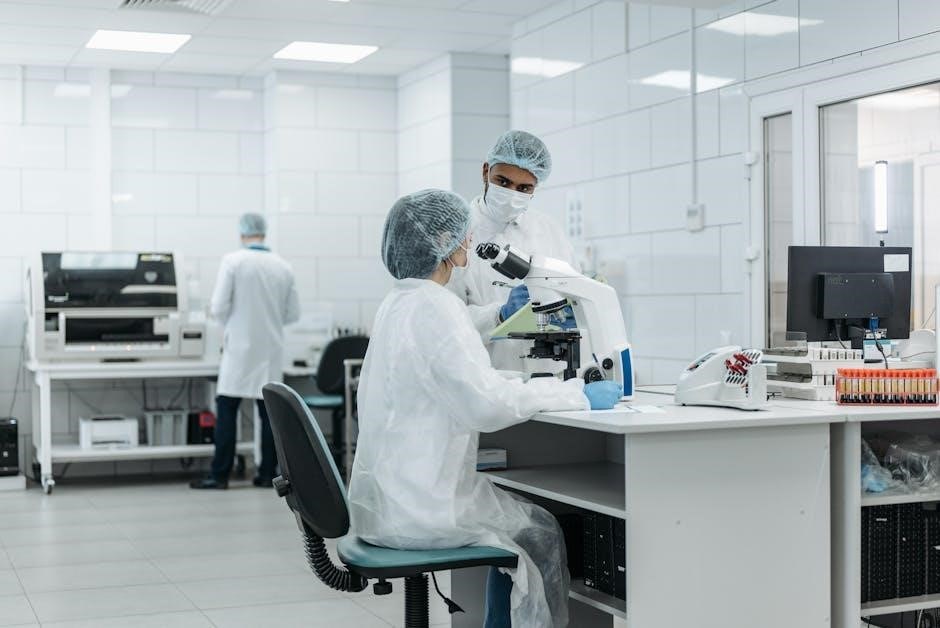
This section focuses on the clinical application of pharmacogenetics, specifically concerning lamotrigine neurotoxicity in epilepsy management. Students will explore how genetic variations influence drug metabolism and response, impacting patient safety.
You will analyze how results from pharmacogenetic and pharmacometabolic tests can be utilized in clinical practice to proactively manage the risk of lamotrigine-induced neurotoxicity.
Understanding the genetic factors affecting lamotrigine metabolism, particularly genes involved in drug transport and enzymatic activity, is crucial.
Emphasis will be placed on interpreting test results and correlating them with potential adverse effects, allowing for personalized dosage adjustments.
The practical application of this knowledge will be assessed through case studies, requiring you to recommend appropriate monitoring strategies and therapeutic interventions based on a patient’s genetic profile.

Digital Resources & Software
Utilize Human Anatomy Atlas (2021 version) for 3D visualization. Historical skeletal simulation software exists, alongside a 2020 cracked version of the Atlas – use ethically and responsibly.
Human Anatomy Atlas (Software – 2021 Version)
The 2021 version of Human Anatomy Atlas is a crucial digital resource for this lab practical. This software provides an incredibly detailed and interactive 3D model of the human body, allowing for comprehensive exploration of anatomical structures. Students can dissect virtual bodies, rotate models, and zoom in on specific regions to gain a deeper understanding of spatial relationships.
Specifically, the Atlas facilitates learning across all key body systems covered in the practical – circulatory, endocrine, lymphatic, and reproductive. Its features support visualization of complex anatomical details, aiding in identification and comprehension. The software’s labeling capabilities are particularly useful for reinforcing terminology.
The 2021 edition, version 2021.0.16, is compatible with Android 5.0 and higher, offering accessibility across various devices. It’s a complete, fully-featured application, supporting detailed study and preparation for the practical exam. Mastering the Atlas will significantly enhance your performance.
Human Anatomy Atlas (Cracked Version – 2020)
While a 2020 cracked version of Human Anatomy Atlas exists, its use is strongly discouraged and ethically problematic. Although offering access to the software without purchase, utilizing illegally obtained copies carries significant risks. These include potential malware infections, lack of updates, and legal ramifications associated with software piracy.
Furthermore, the 2020 version lacks the enhancements and refinements present in the 2021 edition. These improvements include updated anatomical models, improved user interface, and expanded functionality crucial for comprehensive study. Relying on an outdated and potentially compromised version hinders effective preparation for the anatomy and physiology lab practical.
The cracked version, version v2020.0.73 (802MB), supports Android 4.X and above. However, prioritizing legitimate software access ensures a secure and optimized learning experience. Focus on utilizing authorized resources for a thorough understanding of the material.
3D Skeletal Simulation Software (Historical References)
Historically, the demand for 3D skeletal simulation software has existed for some time, particularly amongst patients recovering from bone fractures. As early as July 25th, 2019, individuals sought such tools to visualize bone activity and recovery processes. Online forums contained discussions and requests for functional 3D skeletal models, though links to these resources often became outdated or inactive.
These early iterations, while valuable conceptually, likely lacked the sophistication of modern anatomical software like Human Anatomy Atlas. They served as precursors, demonstrating a growing need for interactive learning tools in anatomy and physiology. The desire for such software highlights the benefits of visualizing complex anatomical structures in a dynamic, three-dimensional environment.
While specific details about these historical programs are scarce, their existence underscores the evolution of anatomical learning resources. They paved the way for the advanced simulation tools available today, aiding in preparation for practical exams.